

Insights & Resources

Ideas, research and resources to support therapy in medical settings

Embedded Mental Health Care: How Community-Based Models Are Expanding Access
Embedded Mental Health Centers

Identifying Patients Who Benefit From Integrated Behavioral Health
Integrated behavioral health helps medical practices address mental health, chronic disease management, and health behavior change in a coordinated way. This article highlights patient groups who often benefit most from integrated care and links to a key resource from the AHRQ Integration Academy.

Status of the Behavioral Health Workforce
Behavioral health workforce shortages, reimbursement constraints, and integration demands are reshaping how healthcare organizations build and sustain services. Learn how CultivateCare supports recruitment, workflow design, and integrated behavioral health program development.

Integrating Behavioral Health Into Pediatric Specialty Care
Pediatric specialty clinics play a critical role in addressing behavioral health needs for children with complex medical conditions. A new white paper from the Substance Abuse and Mental Health Services Administration outlines how behavioral health integration can work in pediatric specialty settings and why moving beyond primary care models matters now.

Upcoming 2026 Integrated Behavioral Health Webinars and Continuing Education Opportunities
January 2026 Continuing Education Opportunities for Integrated Behavioral Health

Why Referral-Based Mental Health Care Falls Short in Primary Care
Referral-based mental health care leaves critical gaps in primary care. Integrated behavioral health offers continuity, shared responsibility, and safer systems.

January, Alcohol Use, and Why Primary Care System Readiness Matters
Early January is a common time for patients to reflect on alcohol use and its impact on sleep, mood, and overall health. This article explores why primary care is a key access point for early identification and brief intervention, and how integrated behavioral health supports system readiness during post-holiday increases in alcohol-related concerns.

AHRQ Releases New Tools to Advance Integrated Behavioral Health
The Agency for Healthcare Research and Quality (AHRQ) has released new tools through its Academy for Integrating Behavioral Health and Primary Care to support organizations implementing integrated care models. These updates include a national ecosystem directory, an expanded implementation playbook, and practical guidance for addressing suicidality in primary care settings.

The Winter Solstice, Seasonal Depression, and Why System Readiness Matters in Primary Care
Winter and holiday stress increase seasonal depression and anxiety. Learn why primary care access and integrated behavioral health matter more during this time and how teams can respond.

The Behavioral Health Crisis Is Bigger Than We Think
The United States is facing a behavioral health crisis that grows larger each year. Nearly half of adolescents and one in four adults experience mental health concerns, yet most never receive treatment. Primary care practices feel this strain daily, as screening expands but access remains limited. Before discussing integrated care models, it is important to understand the size of the problem and why the current system cannot keep up with the volume of need.

What Pediatric Practices Can Learn from Nemours
Pediatric mental health needs are rising, and Nemours Children’s Health offers a compelling example of how integrated behavioral care can actually work. Their model blends in-clinic behavioral health, rapid tele-mental health access, and coordinated case management, ensuring families get timely, connected support. CultivateCare is not affiliated with Nemours or the American Hospital Association; we simply highlight strong models that move pediatric care forward.
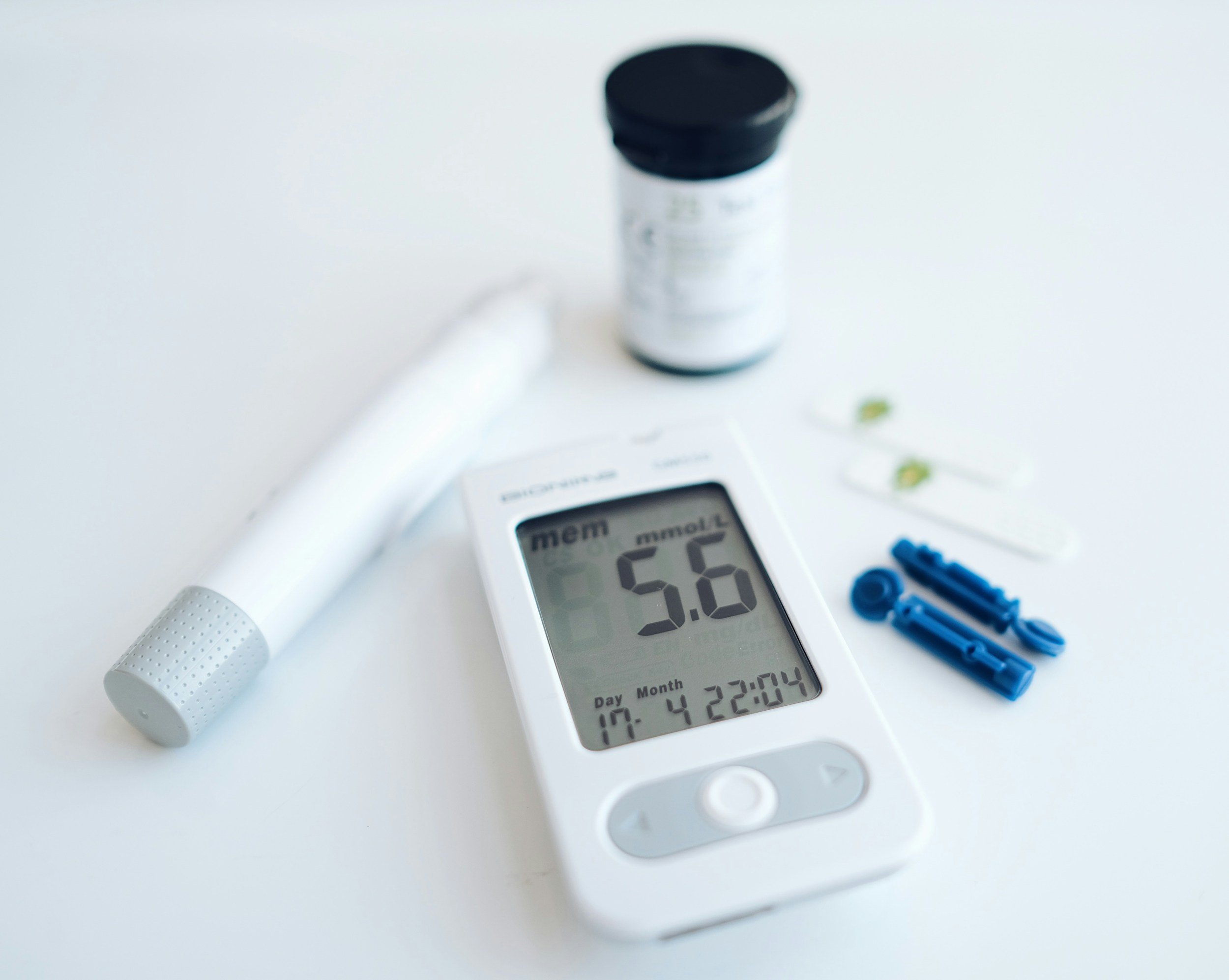
Diabetes & Mental Health
Depression is two to three times more common in people with diabetes than in those without it, yet care is still often split between medical and mental health systems. The World Health Organization’s findings reveal how emotional health and blood sugar control are deeply connected — and why integrated care leads to better outcomes for both body and mind.

Heart Disease & Mental Health
Heart disease and mental health are deeply connected. Up to one in five people living with heart disease experiences depression, and the presence of depression or anxiety can double the risk of poor recovery after a cardiac event. The World Health Organization highlights how treating the heart without supporting emotional health leaves critical gaps in care — and why integrated approaches lead to better outcomes.

Cancer & Mental Health
One in four people with cancer experience anxiety or depression, yet most never receive mental health care. This post explores how untreated emotional distress affects treatment, survival, and quality of life — and why integrated care between oncology and behavioral health is essential for true healing.

Smoking, Mental Health & Chronic Disease
One in three cigarettes smoked worldwide is smoked by a person with a mental disorder. The World Health Organization and CDC both show that while smoking rates have dropped in the general population, progress has stalled for people with mental health conditions. This blog explores why quitting is harder when mental health and chronic disease overlap — and how integrated care creates the conditions for change.

How Psychologists Are Shaping Integrated Care
The APA’s latest feature explores how psychologists are transforming modern healthcare through integrated care, working alongside physicians to improve outcomes and make mental health part of every treatment plan.

Why Therapist Pay Transparency Project
Help build real-world data on therapist pay in 2025. Cultivate Care’s Therapist Pay Transparency Project collects anonymous compensation information from clinicians across the U.S. to support advocacy for fair, sustainable jobs in mental health care.
Free AMAWebinar
The AMA is hosting a free webinar on November 4 about integrating behavioral health into value-based care. Learn how medical and behavioral health teams can work together to improve outcomes and sustainability.
Reflections from the AIMS Center Webinar
The AIMS Center’s recent webinar on brief behavioral interventions highlighted how collaboration, clear systems, and cultural awareness strengthen integrated behavioral health.

Whether you’re ready to bring a therapist into your practice or simply want deeper insights into this growing field, CultivateCare helps you see returns in patient outcomes, provider efficiency, and sustainable growth.